



If you have a toothache, tooth sensitivity, or a cavity, you may be wondering what kind of treatment you actually need. Does the tooth simply need a filling, or has the damage progressed far enough to require a root canal?
While both procedures are used to treat damaged teeth, they address different problems. A filling repairs a tooth after decay or minor damage has affected the outer portions of the tooth. A root canal is needed when the problem has reached the dental pulp, the living tissue inside the tooth.
Understanding the difference can make it easier to recognize why your dentist recommends one treatment over the other. At Lyon Dental in Alcoa, TN, our team provides both restorative treatments and in-house root canal therapy, allowing us to evaluate the condition of your tooth and recommend the appropriate solution.
What Is a Dental Filling?
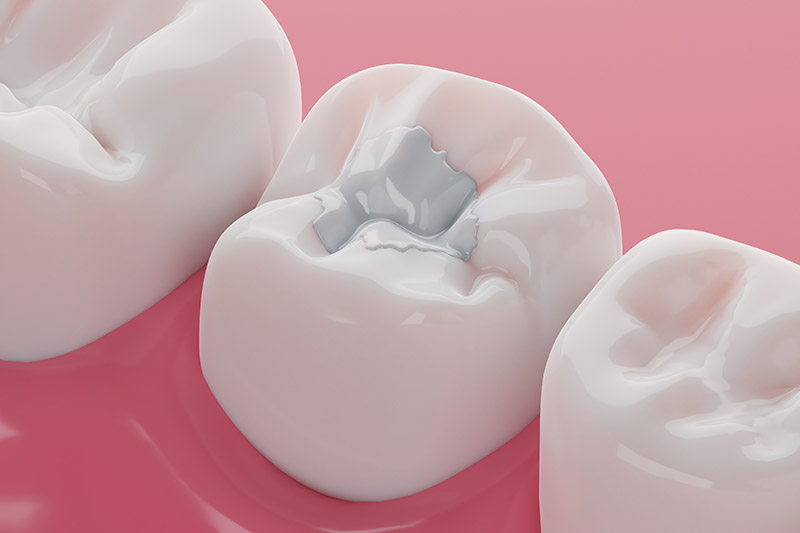 A dental filling is used to repair a tooth that has been damaged by decay or, in some cases, minor structural damage.
When a cavity forms, bacteria gradually break down the tooth’s enamel and dentin. Your dentist removes the damaged portion of the tooth and fills the resulting space with a restorative material. The goal is to remove decay, preserve as much healthy tooth structure as possible, and restore the tooth’s shape and strength. Fillings are commonly used when decay has not progressed into the pulp of the tooth.
What Is a Root Canal?
A root canal is a treatment used when the dental pulp inside a tooth becomes inflamed or infected. The pulp contains nerves and blood vessels. It is located inside the tooth beneath the enamel and dentin. If decay, trauma, or another problem allows bacteria to reach the pulp, the tissue can become severely inflamed or infected.
During root canal treatment, the diseased pulp is removed. The inside of the tooth is then cleaned, shaped, and sealed to help prevent additional infection. The tooth is then restored so it can continue functioning.
Lyon Dental offers in-house root canal therapy for patients who need treatment to address deep tooth pain or infection while preserving the natural tooth whenever possible.
Filling vs. Root Canal: What’s the Main Difference?
The simplest way to think about the difference is how deeply the problem has progressed inside the tooth. A dental filling treats damage that is generally limited to the tooth’s outer structures. A root canal treats a problem involving the pulp inside the tooth.
That means a toothache does not automatically mean you need a root canal. Some cavities cause sensitivity or discomfort before reaching the pulp and can be successfully treated with a filling. On the other hand, a tooth may require more than a filling if decay or damage has progressed far enough to affect the pulp. Dr. Karina Lyon will need to examine the tooth to determine the right treatment for you.
When Might I Need a Filling?
A dental filling may be recommended when you have:
- A cavity that has not reached the pulp
- A small to moderate area of tooth decay
- Minor damage or wear that can be repaired with a filling
- A previously placed filling that needs to be replaced
- A tooth that can be restored without removing the pulp
One of the biggest advantages of treating a cavity early is that your dentist may be able to preserve more of your natural tooth structure. This is one reason routine dental exams are important. A cavity may not cause noticeable symptoms when it first develops, but your dentist may be able to identify it before it becomes more extensive.
When Might I Need a Root Canal?
A root canal may be necessary when the pulp inside the tooth becomes irreversibly inflamed, infected, or otherwise damaged. Potential causes include:
- Deep tooth decay
- A crack that extends into the tooth
- Significant dental trauma
- Repeated procedures on the same tooth
- Bacteria reaching the pulp
- An injury that damages the nerve inside the tooth
Symptoms can vary, but possible warning signs include persistent tooth pain, prolonged sensitivity to hot or cold, pain when biting or chewing, swelling around the tooth, or other signs of infection.
Importantly, not everyone who needs a root canal experiences severe pain. Some teeth with significant internal damage may cause relatively few symptoms.
Can a Cavity Turn Into a Root Canal?
A cavity does not necessarily start as a root canal problem. In many cases, decay begins in the enamel and gradually progresses deeper into the tooth. If decay continues untreated and eventually reaches the pulp, the tooth may require root canal treatment rather than a simple filling.
This is one reason early treatment matters. Treating decay while it is still relatively small may allow your dentist to repair the tooth with a more conservative restoration.
What If My Tooth Hurts but I Don’t Know Why?
Don’t try to diagnose the problem based on symptoms alone. Tooth pain can have many causes, including decay, a cracked tooth, inflammation of the pulp, gum disease, an infection, or a damaged restoration. The type and severity of pain can provide useful information, but they don’t always tell you exactly what is happening inside the tooth.
Your provider at Lyon Dental may examine the tooth, evaluate your symptoms, and use dental X-rays or other diagnostic tools to determine the source of the problem. The sooner the cause is identified, the sooner you can determine whether a filling, root canal, or another treatment is appropriate.
What Does a Filling Appointment Involve?
The exact process depends on the size and location of the cavity, but treatment generally involves numbing the area, removing the decayed portion of the tooth, cleaning the area, and placing the filling material.
The filling is shaped to restore the tooth’s normal contours and function. Dr. Lyon will also check your bite to make sure the restoration feels comfortable when you close your teeth together.
What Happens During a Root Canal?
A root canal is designed to remove diseased or infected pulp while preserving the natural tooth. Dr. Lyon will numb the area before accessing the inside of the tooth. The affected pulp is removed, and the internal space is cleaned and prepared for sealing.
Once the root canal is completed, the tooth needs to be restored to protect it and return it to normal function. Although root canal treatment has a reputation for being uncomfortable, modern dental techniques and anesthesia can make treatment much more manageable. Lyon Dental emphasizes patient comfort and provides in-house root canal therapy as part of its comprehensive dental care.
Is a Root Canal Better Than a Filling?
Each treatment is designed for different situations. If a tooth can be successfully treated with a filling, there is generally no reason to perform a root canal. A filling allows the dentist to treat the decay while preserving the tooth’s healthy internal structures.
If the pulp has become irreversibly damaged or infected, however, a filling alone will not address the underlying problem. A root canal may be necessary to remove the diseased tissue and give the tooth a chance to remain in place. The best treatment is the one that addresses the actual condition of the tooth.
What Happens If I Delay Treatment?
Dental problems generally don’t heal on their own.
A small cavity can become larger. A damaged tooth can become more difficult to restore. If bacteria reach the pulp, an infection can develop and potentially cause swelling, an abscess, or other complications.
If you are experiencing persistent tooth pain, swelling, prolonged sensitivity, or pain when biting, contact your dentist rather than waiting for the symptoms to disappear.
Lyon Dental offers same-day emergency appointments and focuses on providing prompt, comfortable care when urgent dental problems occur.
How Does My Dentist Decide Between a Filling and Root Canal?
To select the ideal treatment for your smile, Dr. Lyon will consider several factors, including:
- How extensive the decay is
- Whether the pulp is affected
- The presence of infection or inflammation
- Whether the tooth is cracked or fractured
- How much healthy tooth structure remains
- Your symptoms
- The tooth’s location and function
- Your overall oral health
Sometimes the answer is straightforward. In other cases, additional testing or imaging may be necessary to determine whether the pulp can recover or whether root canal treatment is needed.
What Should I Do If I Think I Need a Root Canal?
If you have persistent pain or sensitivity, don’t assume that you need to live with it or that the tooth will eventually feel better on its own. Schedule an evaluation so your dentist can determine what’s causing the problem. Even if you aren’t experiencing severe pain, addressing a dental concern early can sometimes prevent it from becoming more complicated.
At Lyon Dental in Alcoa, TN, Dr. Karina Lyon and her team provide comprehensive restorative care, including dental fillings and in-house root canal therapy. The practice takes a personalized, comfort-focused approach and offers same-day emergency appointments when urgent dental concerns arise.
Whether you need a filling, root canal, or another type of treatment, the goal is the same: address the underlying problem, preserve your natural tooth whenever possible, and help you get back to a healthy, comfortable smile.


